


Share Your Craft at Our Café: Join Us for Creative Community Workshops
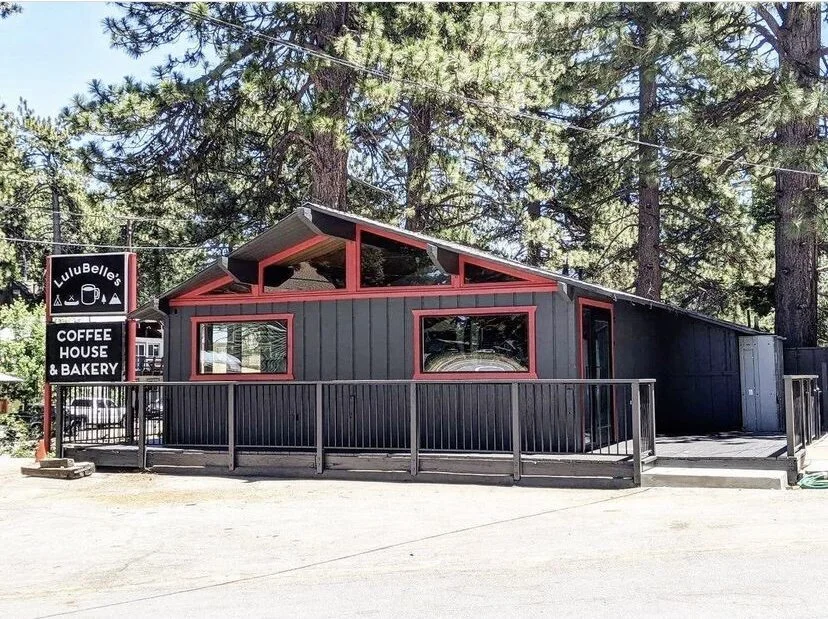
A café can be more than a place to grab coffee. It can be a room where neighbors learn each other’s names, someone tries a new skill for the first time, and a quiet afternoon turns into a memory people talk about for weeks.
That is the kind of space we want to keep building.
We are inviting artists, makers, writers, fixers, photographers, knitters, painters, journal keepers, and creative people of all kinds to collaborate with our café by hosting community workshops. If you have a skill to share, a craft you love, or an idea that could bring people together around a table, we would love to hear from you.
You do not need to be famous. You do not need a huge following. You do not need to have taught a class before. If you care about what you make and enjoy helping others feel welcome, that is a beautiful place to begin.

We want the café to feel like a community living room
Every neighborhood needs places where people can gather without pressure. A place to sit, sip something warm, and feel part of something. Workshops help create that feeling in a simple and natural way.
When someone walks into a workshop, they are not only buying a drink or filling an hour. They are stepping into a shared experience. They may leave with a painted canvas, a repaired cabinet hinge, a finished scarf row, or a roll of photos they are excited to develop. More than that, they may leave with a new friend, a little more confidence, or a reason to come back next week.
That is what we love about creative gatherings. They make a café feel alive in the best way.
A workshop adds rhythm to the space. One evening might be full of quiet journaling, with pens moving across paper and coffee cups cooling beside notebooks. Another afternoon might bring the soft click of knitting needles. A weekend class might turn into a cheerful painting session, with people comparing colors and laughing at happy mistakes.
These moments remind us that creativity does not need to be perfect to be meaningful. It just needs room to happen.
Hosting a workshop helps people connect through shared effort
It can be hard to meet people as an adult. Many everyday interactions are quick, polite, and forgettable. A good workshop changes that because it gives everyone something to do together.
People who might not know how to start a conversation can ask:
What kind of pen are you using?
How did you get that color?
Can you show me that stitch again?
What lens did you bring?
Have you patched drywall before?
Small questions open the door. Before long, people are trading tips, encouraging one another, and sharing stories.
Workshops are especially powerful because they give people permission to be beginners. That matters. A room full of beginners can feel generous and low-pressure when the host sets the tone with warmth. No one has to prove anything. Everyone can try.
For the café, workshops bring energy into the space in a way that feels personal. Instead of a one-way event where people only watch, a workshop invites participation. It turns customers into neighbors and neighbors into collaborators.
For the host, it can be deeply rewarding. Teaching your craft helps you see it through fresh eyes. A habit you barely think about, such as how you hold a brush or choose a journal prompt, may be exactly what helps someone else begin.
Your workshop idea can be simple, useful, playful, or all three
We are open to many kinds of workshops. The best ideas often start with something small and specific. A workshop does not need to cover everything about a craft. In fact, it is often better when it helps people complete one clear project or learn one practical skill.
Here are a few ideas we would be excited to explore.
Journaling workshops for reflection and creative expression
A journaling workshop can be quiet, thoughtful, and welcoming for people who want a creative practice but do not know where to start.
Ideas could include:
Morning pages and reflective writing
Gratitude journaling
Memory keeping
Creative prompts for writers
Art journaling with collage, ink, or watercolor
Journaling for goal setting at the start of a new month
A host might bring sample prompts, show different notebook styles, or guide the group through short writing rounds. Participants could share only if they want to. The café setting works beautifully for this kind of gathering because it already invites pause and reflection.
A warm drink, a blank page, and a gentle prompt can go a long way.
Home maintenance repair workshops for everyday confidence
Creativity is not limited to paint, paper, or yarn. Practical skills can be creative too.
A home maintenance repair workshop could help people feel more confident caring for their living spaces. Think approachable, beginner-friendly sessions that focus on common tasks people often feel nervous about trying.
Possible topics include:
How to patch a small hole in drywall
How to fix a loose cabinet handle
How to use basic hand tools safely
How to unclog a simple drain with non-specialized tools
How to hang a shelf or picture frame with care
How to build a small home repair kit
These workshops can be especially helpful because they remove the mystery from everyday repairs. Many people never learned these skills, not because they are uninterested, but because no one showed them in a patient, no-judgment way.
A café may not be the place for a full renovation lesson, of course. But it can be a perfect setting for demos, tool introductions, practice boards, and confidence-building conversations. The goal is not to turn everyone into a contractor. The goal is to help people feel a little more capable when something small breaks at home.
Painting workshops for color, play, and a finished piece
Painting workshops are a natural fit for café gatherings. They can be relaxed, social, and friendly to beginners.
A host might guide participants through a simple landscape, a still life inspired by café flowers, a seasonal card design, or abstract color studies. The session could use watercolor, acrylic, gouache, or even coffee as a painting medium.
Painting workshops work well because people get to leave with something they made. That finished piece does not have to be polished. It carries the feeling of the experience.
A good painting session includes clear steps, but also room for personal choices. Someone may want bold colors. Someone else may prefer soft neutrals. Both can be right. That freedom helps people feel less afraid of the blank page.
Knitting workshops for slow making and shared patience
Knitting brings a lovely pace to a café. It is tactile, calming, and easy to enjoy while chatting.
A knitting workshop could be designed for absolute beginners. Participants might learn how to cast on, knit a basic stitch, and understand yarn weight and needle size. More experienced makers might enjoy project-based sessions, such as a simple scarf, dishcloth, headband, or cozy mug sleeve.
Knitting also builds community because it naturally invites people to help each other. One person spots a dropped stitch. Another shares a trick for keeping tension even. Someone else brings extra stitch markers.
No one has to rush. The workshop can become a regular gathering where people return with progress, questions, and stories.
Photography workshops for seeing the everyday in a new way
A photography workshop can help people notice details they usually pass by. It can work with smartphones, film cameras, or digital cameras. The best part is that almost anyone can take part.
Possible photography workshop ideas include:
Café still life photography
Natural light portraits
Smartphone composition basics
Film photography for beginners
Photo walks starting and ending at the café
How to tell a story through three images
Photography workshops can be both practical and poetic. Participants can learn about light, framing, angles, and editing habits, but they can also practice paying attention. A cup on a table, steam rising near a window, hands wrapping a mug, rain on the glass, a chair in afternoon light, all of these can become subjects.
A workshop like this invites people to see the café and the neighborhood with fresh eyes.
You do not need a perfect plan before reaching out
If you have an idea but it still feels rough, that is okay. We are happy to talk it through.
Some people come to us with a fully planned class. Others have a simple thought, such as, “I could teach people how to start a sketchbook,” or “I know basic repairs and think people would enjoy learning them.” Both are welcome.
A strong workshop idea usually includes a few simple pieces:
A clear activity
A welcoming skill level
A realistic supply list
A comfortable group size
A warm teaching style
Participants should know what they will learn, make, or practice.
Beginner-friendly workshops often work best, but all levels can be considered.
Think about what you can bring, what participants should bring, and what the café can support.
Some workshops are best with a small table, while others can include more people.
Patience matters more than perfection.
If you are unsure about any of these, we can help shape the idea. The most important part is your willingness to share something you care about.
What makes a great café workshop host
A great host does not need to have all the answers. A great host creates a room where people feel comfortable trying.
That often means:
Explaining steps in plain language
Welcoming questions
Leaving space for different learning speeds
Encouraging people without taking over their work
Keeping the mood relaxed and kind
Helping participants leave with a sense of success
The best workshops have a gentle structure. People like knowing what to expect, but they also enjoy room to explore. A painting class can follow a basic outline while still letting each person choose colors. A journaling session can include prompts while giving people privacy. A repair workshop can demonstrate safe tool use while letting participants practice on simple materials.
When a host brings care and clarity, the whole room feels it.
Workshops support the café, the host, and the neighborhood
Creative community workshops bring benefits in every direction.
For participants, workshops offer a chance to learn something new in a friendly place. They provide a reason to step out of the routine and spend time with others.
For hosts, workshops create a way to share skills, meet new people, and build local recognition for their work. An artist may meet future students. A writer may find new readers. A maker may connect with people who value handmade work. A repair-minded neighbor may discover how much people appreciate practical knowledge.
For the café, workshops deepen our role as a gathering place. They fill the room with purpose, creativity, and conversation. They help us support local talent while giving guests experiences that feel personal and memorable.
For the neighborhood, workshops create stronger ties. People begin to recognize one another. They exchange names. They return. They invite friends. Bit by bit, a simple event can help build a community that feels more connected.
That is why this invitation matters to us. We want our café to be a place where people do more than pass through. We want it to be a place where people contribute, learn, teach, and feel at home.
Bring us the idea that keeps tapping you on the shoulder
Maybe you teach watercolor on weekends. Maybe you write every morning and know how to help others begin. Maybe you learned practical home repairs from a parent or grandparent and want to pass that confidence along. Maybe you knit, crochet, sew, carve, photograph, bind books, make zines, arrange flowers, or know how to turn simple materials into something special.
Maybe you have never taught a workshop before, but friends always ask you to show them how you do that one thing.
We would love to hear about it.
Reach out with your idea, even if it is still taking shape. Tell us what you love to make or teach, what kind of experience you imagine, and what people might leave with at the end. We can talk through the details together and see what fits the space.
Community grows when people share what they know. Creativity spreads when someone says, “Come sit here. I’ll show you how.”
Our tables are ready. The coffee is brewing. Bring your craft, your curiosity, and your generous spirit. Let’s make something together.

Comments